
Development to a Kingdom
In Arabia, what is understood as a kingdom actually consists of few halls and houses owned by a Sheikh (elder) or an Amir (prince). In those halls, there were altars for worship addressed to the owner of that particular hall or palace.
Later, an influential chief of a clan becomes prominent and the clan expanded its families around so other smaller groups will approach them and associating themselves to the one which is prominent although they are not related by blood. Sooner or later, a small kingdom emerged slowly into a larger one. This is how the kingdoms such as the Mo'inites, Sheba, and Himyarites were established in Southern Arabia. All of them were actively involved in international trade and their influence was based on their record in trading and mercantile.
Kingship
The head of the kingdom was a king. His order is an order and nobody disregard his order. The kings reigned in the palace and seldom went out from their palace in Ma'arev or in other places. The king usually do not supervise the soldiers and army since the war seldom happened between Southern Arabia with other kingdoms. Their soldiers only protect their trading caravan and defending their states from foreign invasions. Soldiers in Southern Arabia were involved in public works such as building houses for the citizens, paving roads, maintenance of the roads and maintenance of the Dam of Ma'arev.
The succession of kingship was by inheritance from a father to a son and from a son to his son. If the king has no son then the kingship would go to the nephew of the king. The Hadramawt region has rather a different way in the succession of kingship and it happens since before the arrival of Christianity there. The kingship is not by family succession but to the son who born first of any feudal lord who ruled the regions within the kingdom. When the king feels like he needs a successor, he would order the names of feudal lords' wives who are pregnant to be presented before him. They would be brought under special care until they deliver their babies. Once a baby son was born then the baby would be nominated and nurtured as the future king although he is not from the king's family (Jurji Zaydan; Pre-Islamic Arabia). The kings also possess their own royal design with the titles such as Basta' and Rayyam in Mo'inites kingdom. While in Sheba kingdom, the kings were called as Yablin, Yawf and Watār.
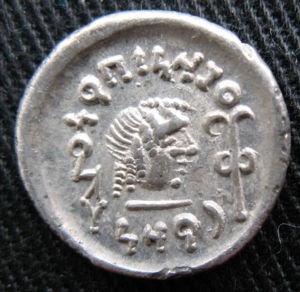
They had their own currency with the image of the king, his name, the name of the state and the detail on the location of the coin being stamped was carved at the coins. Yemenite old coins could be seen in European exhibition centers but I am not sure which place kept the old currencies... Maybe they could be seen in British Library because Europeans and Japanese are better than us in South East Asia in term of keeping those world heritage stuffs. I have heard that the ancient Hindu stupa and other ancient archeological sites in our sultanate had been razed to the ground without any attempt by the state government to protect those historical sites. What a shame... You had lost one of the witness for your civilization and you behave just like those "stupid" uneducated Arabs in Jordan who sold the Qumran scrolls to American researchers in 1940's without checking on what benefit that you could get by analyzing those stuffs yourselves. The money that you receive would last in the period of time but the knowledge that you have could be passed to others around you and be benefited for humanity...
Situation in the Kingdom

The proofs about Southern Arabian lifestyle could be deciphered from their ancient coins. Their kings usually would mat their hair and letting the hair flowing from their left and right sides. Some of them released their matted hair at the back of their head. There was no proof that they prefer to have bushy beard. Even I could tell this when looking at my grandfather picture and also other relatives of my father. They do not like to have bushy beard. They only keep their sidelocks and some of them have light beard with mustache.
Ancient southern Arabs mostly riding horses but they also developed their preference toward elephants or chariots after they mingled with the Ethiopians from Africa.
Jurji Zaydan quoted the statement of Theophatus regarding the transportation used by Himyarite king, "King Justinian I had sent a group of emissaries to the Himyarite kingdom. The chief of the emissaries was Julian. Julian reported that the Himyarite king sit on a huge golden chariot pulled by four elephants. The king wears loincloth and covers his body with a cloth sewn with golden thread. He also wears rings made of precious stones at his fingers, holding lances and a golden shield. People singing praises behind him while they travel around. In the palace meeting hall, the emissaries presented the king with the royal letter from the Eastern Roman empire. The king welcomed the letter and kissed it before opening it. Later, he kissed the eyebrows of every person in the Roman emissaries and everything which has been sent by Eastern Roman emperor to him. The letter called the Himyarite kingdom to expel Persians from his country and from the border of the country besides to make sure that Eastern Roman traders from Alexandria could safely moving here and there for their business trip. The king granted all the wishes of the Eastern Roman emperor since they were good friends".
Society

The social strata of the people in Southern Arabia could be divided into four classes. They are:
1. Warriors and soldiers who protect the state, maintaining the fort and guarding the safety of business caravans in the trading routes.
2. Farmers who were involved with agricultural activities.
3. Skilled workers.
4. Businessman, merchants and traders.
Everything which was mentioned by Julian, the chief of Roman emissary to the Himyarite kingdom and the classes of society could still be seen up to now. The Yemenites especially from Hadramawt has this custom of kissing the eyebrows of their guests and kissing the presents given to them. I used to practice this custom too but later on I feel that the norm is quite weird since nobody around me practice that as they are non-Arabs so it automatically stops.
People of Hadramawt were distributed into four classes too... It is almost comparable to ancient Indian social system and I believe that this system will never cease to exist until the doomsday but it only transforms into another form here and there...
1. Sayyids or religious people from the lineage of Ali r.a and Fatima r.a which is known as the Ahl Bayt and Hashemites since the inter-marriage was only within family member and tribal system. It is most comparable to Bramha-Kshatriyas and Brahmins of ancient India.
2. Soldiers, kings and warriors who protect the state. Mostly comparable to ancient Indian Kshatriyas.
3. Farmers and merchants which are comparable to the Vaisyas.
4. The weak and paupers which are grouped as the dhu'afa. Comparable to the Sudras in ancient Indian social strata.
Those from the lower group are strictly prohibited from marrying the women from the higher classes. It happened in our communities too. I guess some people already talked about this and even condemned us, lol. There were lack of Arab women here so Arabs in South East Asia actually inter-married with local women. So, the children speak in their mothers languages but are still Arabs as according to their father ethnicity. There are Sayyids, Sheikhs and Sharifs in South East Asia but my grandfather family do not use the title because of family and clan issues. I guess all of those title stuffs are weird. The God the Highest do not recognize us with that but only with taqwa. I hate some of those fellow Sayyids too, hahaha...
In India there were people who were so strict even they refuse to have child with the women from lower social classes though both of them were married just like in the case of Hindi movie actress, Madam Meena Kumari and her husband, Mr. Kamal Amrohi. Mr. Amrohi refused to have children with Madam Meena Kumari because she is not from Sayyid class. I guess that, it is the most crazy thing that I have ever heard. Why a man bother to marry a woman if he does not want to have a family with her???!
Situation in the Kingdom

The proofs about Southern Arabian lifestyle could be deciphered from their ancient coins. Their kings usually would mat their hair and letting the hair flowing from their left and right sides. Some of them released their matted hair at the back of their head. There was no proof that they prefer to have bushy beard. Even I could tell this when looking at my grandfather picture and also other relatives of my father. They do not like to have bushy beard. They only keep their sidelocks and some of them have light beard with mustache.
Ancient southern Arabs mostly riding horses but they also developed their preference toward elephants or chariots after they mingled with the Ethiopians from Africa.
Jurji Zaydan quoted the statement of Theophatus regarding the transportation used by Himyarite king, "King Justinian I had sent a group of emissaries to the Himyarite kingdom. The chief of the emissaries was Julian. Julian reported that the Himyarite king sit on a huge golden chariot pulled by four elephants. The king wears loincloth and covers his body with a cloth sewn with golden thread. He also wears rings made of precious stones at his fingers, holding lances and a golden shield. People singing praises behind him while they travel around. In the palace meeting hall, the emissaries presented the king with the royal letter from the Eastern Roman empire. The king welcomed the letter and kissed it before opening it. Later, he kissed the eyebrows of every person in the Roman emissaries and everything which has been sent by Eastern Roman emperor to him. The letter called the Himyarite kingdom to expel Persians from his country and from the border of the country besides to make sure that Eastern Roman traders from Alexandria could safely moving here and there for their business trip. The king granted all the wishes of the Eastern Roman emperor since they were good friends".
Society

The social strata of the people in Southern Arabia could be divided into four classes. They are:
1. Warriors and soldiers who protect the state, maintaining the fort and guarding the safety of business caravans in the trading routes.
2. Farmers who were involved with agricultural activities.
3. Skilled workers.
4. Businessman, merchants and traders.
Everything which was mentioned by Julian, the chief of Roman emissary to the Himyarite kingdom and the classes of society could still be seen up to now. The Yemenites especially from Hadramawt has this custom of kissing the eyebrows of their guests and kissing the presents given to them. I used to practice this custom too but later on I feel that the norm is quite weird since nobody around me practice that as they are non-Arabs so it automatically stops.
People of Hadramawt were distributed into four classes too... It is almost comparable to ancient Indian social system and I believe that this system will never cease to exist until the doomsday but it only transforms into another form here and there...
1. Sayyids or religious people from the lineage of Ali r.a and Fatima r.a which is known as the Ahl Bayt and Hashemites since the inter-marriage was only within family member and tribal system. It is most comparable to Bramha-Kshatriyas and Brahmins of ancient India.
2. Soldiers, kings and warriors who protect the state. Mostly comparable to ancient Indian Kshatriyas.
3. Farmers and merchants which are comparable to the Vaisyas.
4. The weak and paupers which are grouped as the dhu'afa. Comparable to the Sudras in ancient Indian social strata.
Those from the lower group are strictly prohibited from marrying the women from the higher classes. It happened in our communities too. I guess some people already talked about this and even condemned us, lol. There were lack of Arab women here so Arabs in South East Asia actually inter-married with local women. So, the children speak in their mothers languages but are still Arabs as according to their father ethnicity. There are Sayyids, Sheikhs and Sharifs in South East Asia but my grandfather family do not use the title because of family and clan issues. I guess all of those title stuffs are weird. The God the Highest do not recognize us with that but only with taqwa. I hate some of those fellow Sayyids too, hahaha...
In India there were people who were so strict even they refuse to have child with the women from lower social classes though both of them were married just like in the case of Hindi movie actress, Madam Meena Kumari and her husband, Mr. Kamal Amrohi. Mr. Amrohi refused to have children with Madam Meena Kumari because she is not from Sayyid class. I guess that, it is the most crazy thing that I have ever heard. Why a man bother to marry a woman if he does not want to have a family with her???!
Sealed with prayers for mercy, peace and love, amin!


